Introduction
When it comes to maintaining your home, roof cleaning is one of the most critical tasks that often gets overlooked. Many homeowners wonder, "Is roof cleaning a good idea?" The short answer is yes! A clean roof not only enhances your home’s curb appeal but also extends its lifespan. However, tackling this task on your own can lead to a series of common pitfalls. In this comprehensive guide, we’ll explore how to avoid these mistakes and ensure your DIY roof cleaning project goes off without a hitch.
Avoiding Common Mistakes in DIY Roof Cleaning Projects
Roof cleaning may seem straightforward, but improper execution can lead to costly repairs or even injuries. It’s essential to approach this task with care and thorough knowledge. Here’s how you can avoid common mistakes.
Understanding Roof Cleaning
What Is Roof Cleaning Called?
Roof cleaning is often referred to as "roof maintenance." This includes various methods such as soft washing, pressure washing, and chemical treatments aimed at removing debris, algae, moss, and other contaminants from the surface of the roof.
Why Is It Important?
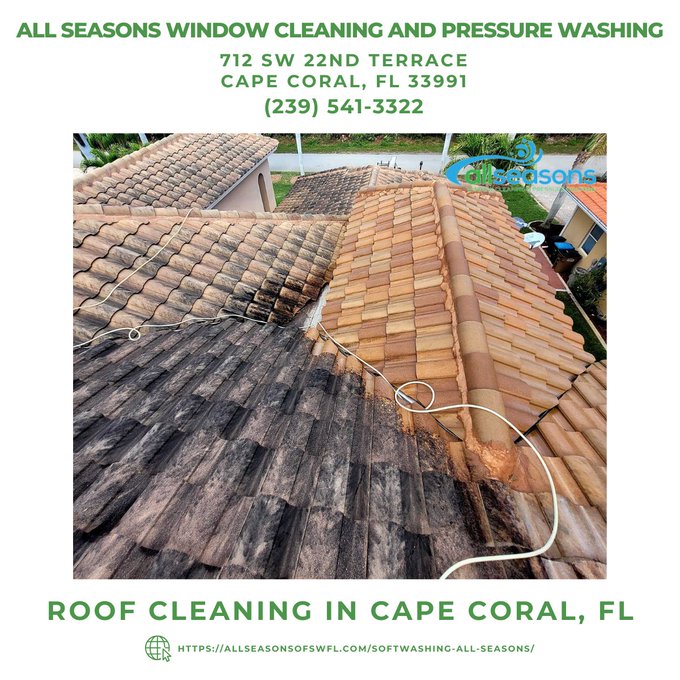
Cleaning your roof regularly helps prevent long-term damage caused by harmful growths like algae and moss. If you neglect this vital task, you might ask yourself, “What happens if you don't clean your roof?” Over time, these elements can deteriorate shingles and lead to leaks.
Best Practices for DIY Roof Cleaning
What Is the Best Method of Roof Cleaning?
The best method depends on the type of roofing material you have:
- Asphalt Shingles: Soft washing is recommended. Metal Roofing: Pressure washing at low pressure is ideal. Tile or Slate: Hand scrubbing with a safe cleaner works best.
How Often Should Your Roof Be Cleaned?
Most experts recommend cleaning your roof every 1-3 years. However, if you live in a humid area prone to mold or algae growth, more frequent cleaning may be necessary.
Common Mistakes in DIY Roof Cleaning
Skipping Safety Precautions
Can I Walk on My Roof to Clean It?
Yes, but it’s crucial to take safety precautions. Always use non-slip shoes and consider using safety harnesses when working at heights.
Using the Wrong Equipment
Is Pressure Washing Your Roof a Good Idea?
Using high-pressure washers can damage shingles and dislodge granules that protect them. Instead, opt for softer methods unless you're dealing with particularly tough grime.
Ignoring Weather Conditions
Can You Wash a Roof in the Rain?
It’s not advisable to clean your roof during rain. Wet surfaces are slippery and increase the risk of accidents.
Chemical Use Without Researching Impacts
What Chemical Is Used to Clean Roofs?
Common chemicals include sodium hypochlorite (bleach) and biocides designed specifically for roofs. However, improper use can harm surrounding plants or pets.
Soft Washing vs. Pressure Washing: What You Need to Know
What Is Soft Wash Roof Cleaning?
Soft washing involves using low-pressure water combined with specialized cleaning solutions that effectively kill mold and algae without damaging roofing materials.
Does Roof Cleaning Extend the Life of a Roof?
Absolutely! Regular maintenance helps preserve shingles’ integrity, preventing premature wear and tear.
Cost Considerations in DIY Roof Cleaning Projects
How Much Does It Cost to Coat a Roof?
The costs vary widely based on materials and labor but generally range from $1-$3 per square foot for coating services. Doing it yourself can save money if done correctly!
Is Roof Coating Expensive?
While initial costs may seem high, think about it as an investment; well-applied coatings can last up to ten years or more!
Deep Dive into Techniques for Effective DIY Roof Cleaning
How Do I Clean My Roof Myself?
Gather necessary tools: ladder, soft bristle brush. Choose appropriate weather—preferably dry conditions. Apply chosen cleaner according to instructions. Rinse thoroughly while ensuring no runoff affects nearby vegetation.How Do Professionals Clean Roofs?
Professionals typically utilize soft wash techniques combined with commercial-grade cleaners designed for specific roofing types.
Risks Associated with DIY Roofing Projects
Can Roof Cleaning Cause Leaks?
Improper cleaning methods—especially pressure washing—can loosen shingles or tiles leading directly to leaks down the line!
Should I Spray My Roof?
Spraying can be effective if done correctly; however, make sure any chemicals used are safe for both your roof type and surrounding environment.
Maintenance Tips After Cleaning Your Roof
How Long Does It Take To Clean A Roof?
Typically between two hours up to half a day depending on size/condition/material type; plan accordingly!
How Long Does Soft Washing A Roof Last?
Soft washing results usually last from 2-5 years before reapplication is needed depending on environmental factors.
FAQs About DIY Roof Cleaning Projects
Is pressure washing safe for roofs?
Not usually; it risks damaging shingles or tiles unless managed carefully at low pressures.
How do I clean my roof without a pressure washer?
Use soft brushes with appropriate cleaners while rinsing gently with water from a hose instead.
Should I clean my own roof?
If you’re comfortable with heights and equipped properly—yes! Otherwise consider hiring professionals.
How often should I clean my roof?
Ideally every 1-3 years; more frequently if mold/algae growth is noticeable due to local climate conditions.
What happens if I don’t clean my roof regularly?
Neglect leads toward significant issues like leaks/damage which could require costly repairs later on down the line!
Which roof treatment is best for longevity?
Conclusion
Taking care of your roof isn’t just about aesthetics; it's about preserving one of the roof cleaning benefits most critical components of your home structure! By avoiding common mistakes in DIY roof cleaning projects outlined above—you’ll maintain not only visual appeal but also functionality throughout years ahead! Whether deciding between do-it-yourself options versus hiring professionals—always prioritize safety & research methods beforehand so you won’t regret choices made later on down road ahead! Happy cleaning!